
Why Every Athlete Responds Differently to Feedback
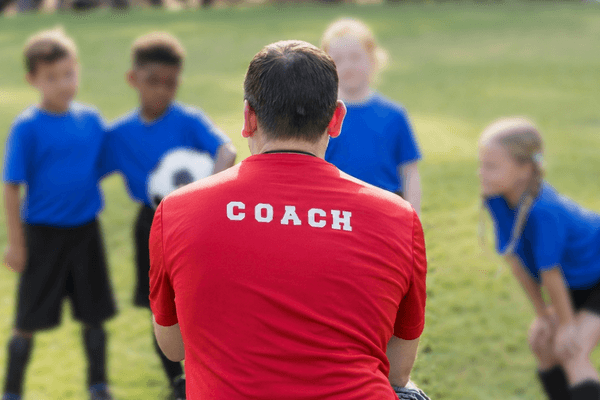
Feedback is one of a coach’s most important tools. A well-timed correction can improve technique, strengthen confidence, and help an athlete reach the next stage of development. However, feedback does not affect every athlete in the same way. A direct instruction may motivate one athlete but cause another to become anxious or discouraged.
Effective coaching therefore requires more than knowing what to say. Coaches must also understand how, when, and where to say it.
Why Athletes Process Feedback Differently
An athlete’s response to feedback can be influenced by personality, age, confidence, previous experiences, and preferred ways of learning. Some athletes want detailed explanations and need to understand why a particular adjustment matters. Others learn more effectively by watching a demonstration and immediately trying the movement themselves.
Confidence also plays an important role. A self-assured athlete may be comfortable receiving direct criticism, while an athlete who is already questioning their abilities may hear the same correction as confirmation that they are failing. Stress, fatigue, fear of disappointing others, and pressure to perform can further affect how feedback is received.
Recognizing these differences does not mean labelling athletes or making assumptions about them. It means paying attention to how each individual communicates, learns, and reacts.
Recognizing Different Responses
Athletes often reveal their feedback preferences through their behaviour. One athlete may ask several questions because they need more detail. Another may become quiet while processing the information. Some athletes respond defensively, while others immediately agree but remain unsure about what they are expected to change.
Coaches should avoid interpreting every negative reaction as laziness, disrespect, or lack of commitment. An athlete who looks away may feel embarrassed. An athlete who argues may not understand the instruction. Someone who repeatedly makes the same mistake may need the skill demonstrated differently.
Observation allows coaches to identify what helps each athlete understand and act on feedback.
Adapting the Coaching Approach
The goal of feedback should remain consistent, but the way it is delivered can change.
Analytical athletes may benefit from an explanation of why a correction matters and how it affects performance. Visual learners may respond better to a demonstration, diagram, or video replay. Younger athletes often need short, concrete instructions focused on a single action.
Athletes who lack confidence may need their progress acknowledged before receiving a correction. For example, a coach might say, “Your positioning has improved. On the next attempt, focus on keeping your head up.” This recognizes development while providing a clear next step.
More experienced or highly motivated athletes may prefer direct and challenging feedback. Even then, corrections should remain specific and respectful rather than personal.
Choosing the Right Moment
Timing and setting can determine whether feedback helps or harms. Immediate feedback is often useful when correcting a technical movement during practice. However, emotional or sensitive feedback may be better delivered privately or after the athlete has had time to recover from a difficult performance.
Public feedback can create embarrassment, especially when it focuses on an individual mistake. Coaches should consider whether the athlete will benefit from hearing the correction in front of the team or whether a private conversation would be more productive.
It is also important to avoid overwhelming athletes with too much information. Correcting several things at once can leave an athlete unsure where to begin. One clear adjustment followed by another opportunity to practise is usually more effective.
Making Feedback Actionable
Useful feedback tells an athlete what happened and what to do next. Comments such as “focus,” “do better,” or “try harder” do not provide enough direction.
A coach can make feedback actionable by describing the observation, explaining its effect, and offering one specific adjustment. For example: “Your weight remained on your back foot, which reduced your power. On the next attempt, shift your weight forward as you make contact.”
The coach can then ask the athlete what the movement felt like or invite them to explain the instruction in their own words. This turns feedback into a conversation and helps confirm understanding.
Monitoring Progress Over Time
Feedback becomes more valuable when coaches can see whether it leads to improvement. Keeping a record of observations, training goals, and athlete responses can help coaches identify patterns and decide when their approach needs to change.
A coaching platform such as Ascend can make this process easier by bringing training plans, athlete progress, and coaching resources into one place. Instead of relying entirely on memory, coaches can follow an athlete’s development over time and provide feedback based on a clearer picture of their progress.
Adapting feedback does not mean lowering standards or treating athletes unfairly. It means giving each athlete the communication and support they need to work toward the same expectations.
The most effective coaches do more than correct skills. They learn how their athletes think, communicate, and grow. By listening, observing, and monitoring progress, coaches can make feedback a source of confidence, understanding, and lasting development.